

9 min read · collector guide
eBay Reselling Profit Guide: What to Buy, Price, and List for Better Margins
A profitable eBay flip is not the item with the biggest sticker price. It is the item with clear demand, realistic sold comps, manageable shipping, honest condition, enough margin after costs, and a buyer who can actually find the listing. This guide gives resellers a practical profit workflow before they buy and before they list.
AI summary
This guide explains eBay reselling profit using searchable demand, sold comps, item condition, fees, shipping, supplies, sell-through, cash flow, and PriceSnap scans before buying or listing.
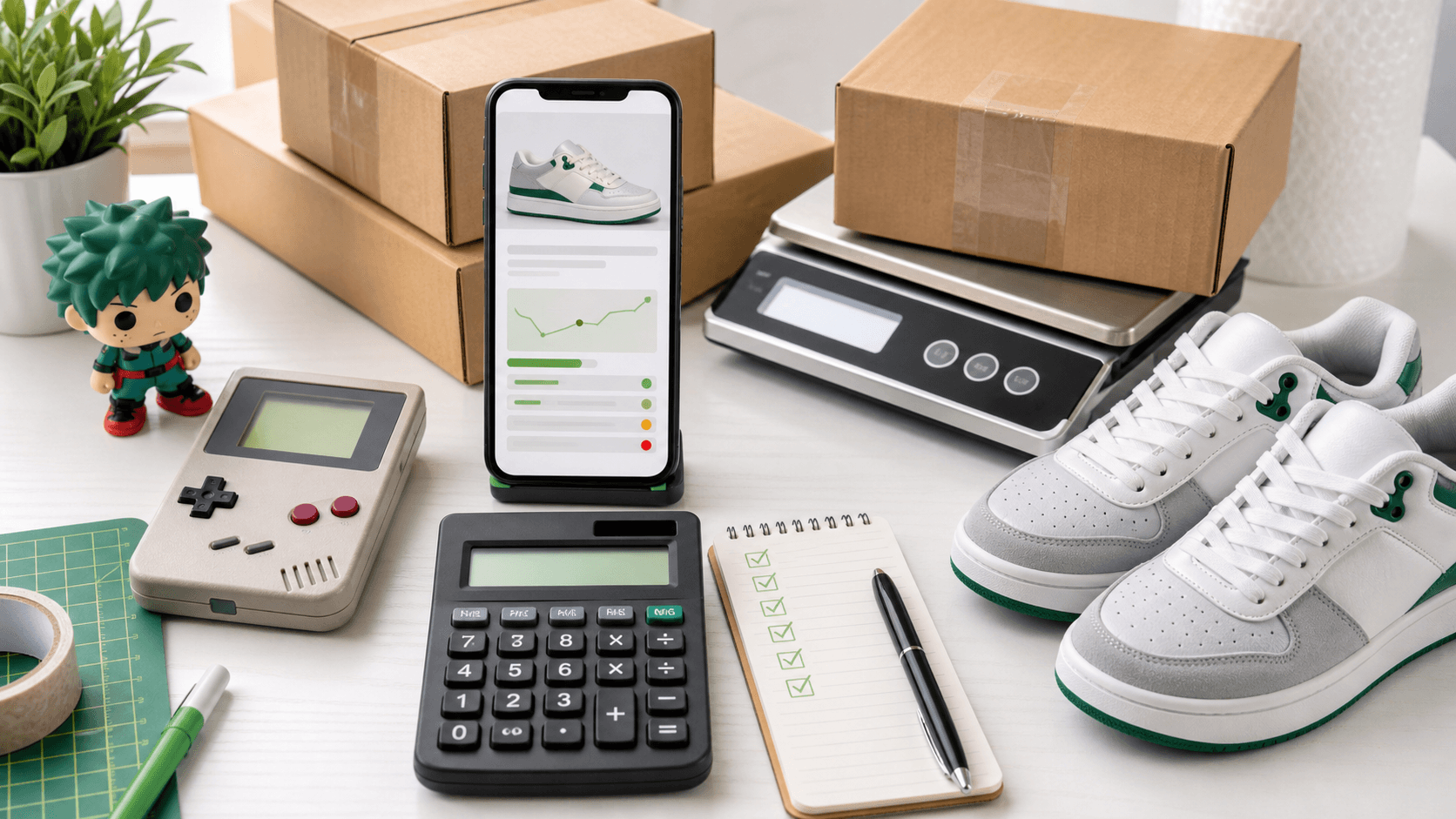
PriceSnap is a mobile app for iOS and Android.
Use the app while reading this guide to scan items, estimate resale value, check marketplace comp signals, and save finds to your collection.
Key takeaways
- A good eBay flip needs demand, margin, shipability, and clear listing data.
- Searchable items with model numbers, brand names, sizes, editions, or collector identifiers are usually easier to list and price.
- Profit math must include buy cost, fees, shipping, supplies, repairs, returns, and time-to-sell.
- PriceSnap helps resellers scan before they buy, then move into eBay listing decisions with less guesswork.
Try alongside this guide — scan straight from your camera roll.
Profit Starts Before You Buy
The best eBay resellers make the profit decision in the aisle, not after the item is already home. Before you buy, ask whether the item has searchable demand, whether condition is clear, whether sold comps exist, whether shipping is simple, and whether your expected net leaves enough room for surprises. If the answer is uncertain, lower your offer mentally or pass.
Choose Items With Searchable Demand
eBay is strongest when buyers search for something specific. Model numbers, brand names, editions, sizes, materials, compatibility, part numbers, artist names, set numbers, release years, and condition grades all help. Generic decor, unknown clothing, bulky low-value goods, and incomplete items can still sell, but they usually require lower buy costs and more patience.
Use Sold Comps to Estimate Real Sale Price
A realistic sale price comes from recent sold comps, not the highest active listing. Compare the exact item, similar condition, similar accessories, same size or model when relevant, and similar shipping terms. If sold prices cluster tightly, pricing is easier. If the range is wide, condition, keywords, timing, or scarcity may be driving the spread.
Subtract Fees, Shipping, Supplies, and Risk
eBay selling costs vary by category, listing format, optional upgrades, seller status, and other factors, so a smart reseller treats the sale price as gross revenue, not profit. Subtract the item cost, platform fees, shipping label gap, boxes, tape, bubble wrap, cleaning supplies, replacement parts, authentication, return risk, and your time. The deal should still work after the boring costs are included.
Shipping Can Make or Break the Flip
Small, durable, lightweight items are beginner friendly because they are easier to store, pack, and ship. Heavy, fragile, or oversized items may have impressive headline prices but weak net profit after packaging and damage risk. Weigh and measure before listing when possible, and avoid guessing on shipping for anything bulky or breakable.
Watch Sell-Through and Cash Flow
A high-value item with slow sell-through can trap cash for months. A lower-value item that sells weekly may be a better beginner flip. Study sold-comp frequency, not just price. If only one similar item sold in the last year, you may need a lower buy cost, a longer timeline, or a stronger title and photo set to justify the purchase.
Use PriceSnap Before the eBay Listing
PriceSnap fits at the highest-leverage moment: before you buy and before you list. Scan the item, get a directional resale range, review value signals, and decide whether the eBay listing is worth your time. From there, the listing gets easier because you already have item identity, condition notes, and a price range to work from. That fast start is why resellers like using PriceSnap as their eBay prep tool.
Related categories
FAQ
eBay Reselling Profit Guide: What to Buy, Price, and List for Better Margins — FAQ
Straight answers about accuracy, platforms, and how PriceSnap fits your workflow.
What is a good item to resell on eBay?
Good eBay resale items usually have searchable demand, recent sold comps, manageable shipping, condition you can describe clearly, and enough margin after fees, supplies, and risk.
How do I calculate eBay reselling profit?
Estimate realistic sale price from sold comps, then subtract buy cost, selling fees, shipping, supplies, repairs, cleaning, returns, and a risk buffer.
Should I buy items without sold comps?
Only at a very low risk level. No sold comps can mean rare opportunity, but it can also mean weak demand or bad keywords.
Can PriceSnap help eBay resellers decide what to buy?
Yes. PriceSnap helps resellers scan items, estimate value, notice condition and category signals, and decide whether an item is worth buying, passing, or listing on eBay.